
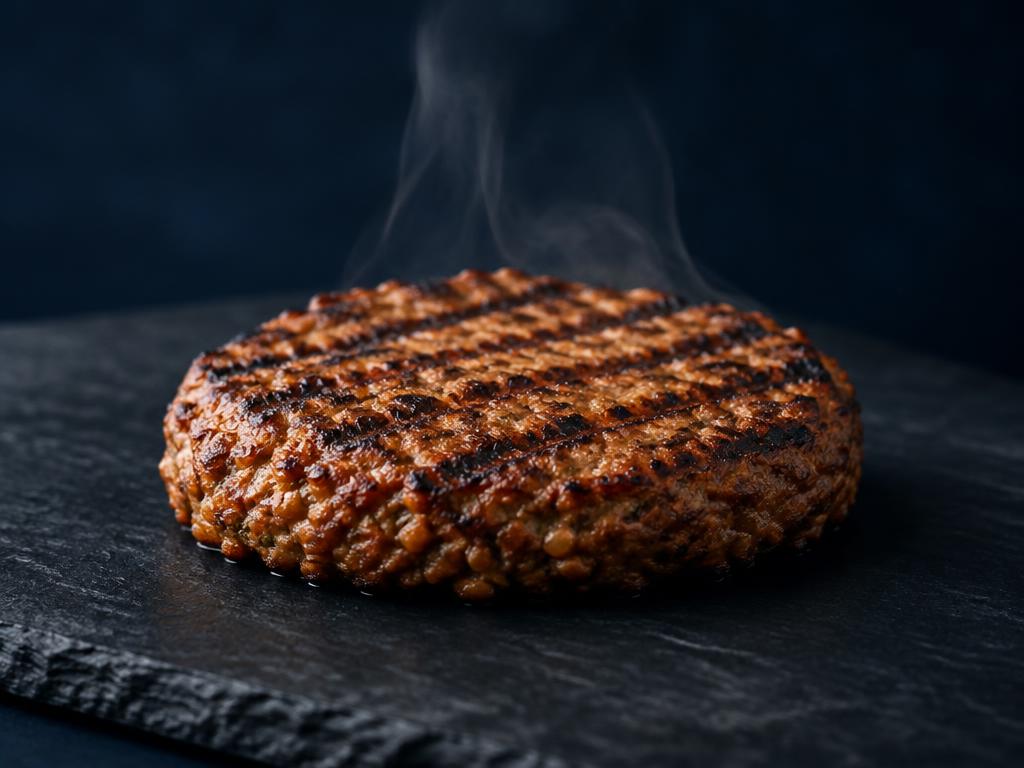
Perfect Texture. Perfect Performance. Plant-Based That Competes.
Plant-based meat fails on texture long before it fails on flavour. Sunflower lecithin works at the protein-fat interface, so patties, sausages and formed products carry even fat and water distribution through cooking — without a soy declaration on the pack.
- Non-GMO
- Soy-Free
- Kosher
- Halal
Lot-specific certificates of analysis, spec sheets, and certification documents are available on request.
Commercial & Quality Overview
In stockBuyer-level details for liquid and powder grades
- Botanical source
- 100% Non-GMO sunflower
- Formats
- Liquid & deoiled powder
- Packaging
- 20 kg pails · 200 kg drums · 1,000 kg totes
- Minimum order
- 20 kg
- Fulfillment
- In stock locally · Somerset, NJ
- Shelf life
- 24 months from date of manufacture
Lot-specific certificates of analysis, spec sheets, and certification documents are available on request.
- formats: liquid & powder
- 2formats: liquid & powder
- quotes
- Same-business-dayquotes
- Stocked and shipped from our New Jersey warehouse
- NJStocked and shipped from our New Jersey warehouse
- soy allergen declarations
- 0soy allergen declarations
- available on request
- COAavailable on request
- minimum order
- 20 kgminimum order
The texture problem
Plant protein does not bind fat the way animal protein does
Pea, soy and mycoprotein systems carry more water and less natural emulsifying capacity, so the structure that looks right in the tray can fall apart the moment it meets heat.
- Patties that crack at the edge and slough off the grill
- Fat purge pooling in the tray after refrigerated storage
- A dry, crumbly bite once the product is cooked
- Structure that gives up after one freeze-thaw cycle
- Cook loss that quietly eats your yield every run
What lecithin changes
A phospholipid that works where your formulation is short of one
Sunflower lecithin positions itself between the fat and water phases, which is the same job it performs in conventional meat products — with a lighter colour and a neutral flavour that does not compete with your seasoning.
- Phospholipids support even fat distribution so the fat phase stays in the product rather than pooling
- Fat and water stay distributed through mixing, forming and cooking, not just at fill
- Distribution that survives high heat and freeze-thaw, confirmed in your own process
- Supports a consistent appearance in formed products
- Neutral flavour — nothing beany competing with your seasoning
Where it goes into a meat-alternative line
Four formats we support most, and what the ingredient is actually doing in each.
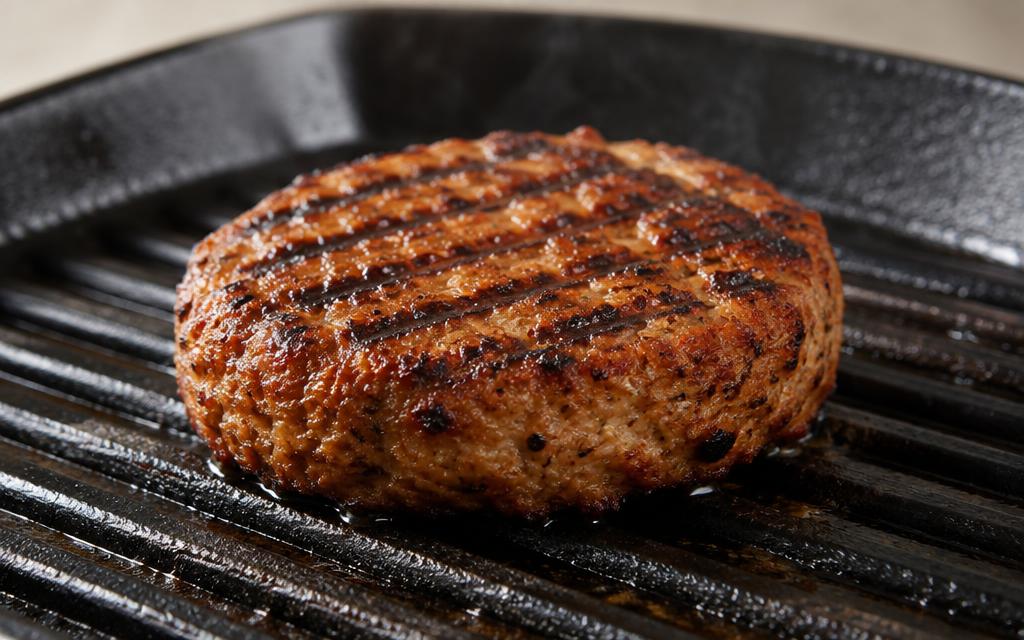
Burgers & patties
Supports even fat and moisture distribution through the mix, evaluated alongside the binder system.
Plant-based burger patty application guide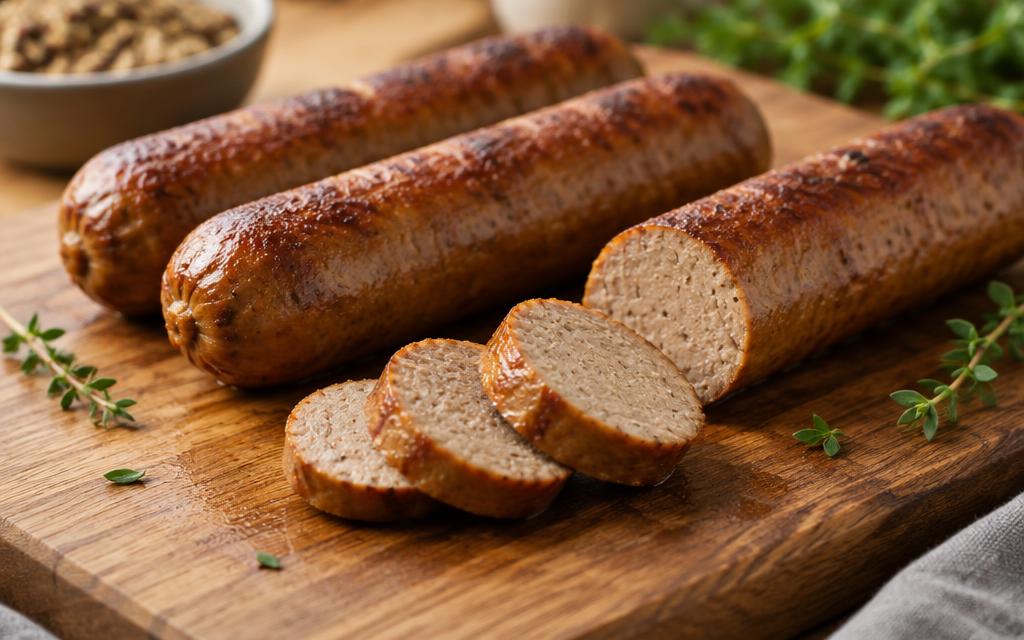
Sausages & emulsions
Stabilises the protein-fat emulsion, which reduces fat purge and gives a tighter, more uniform bite.
Sausage & emulsion application guide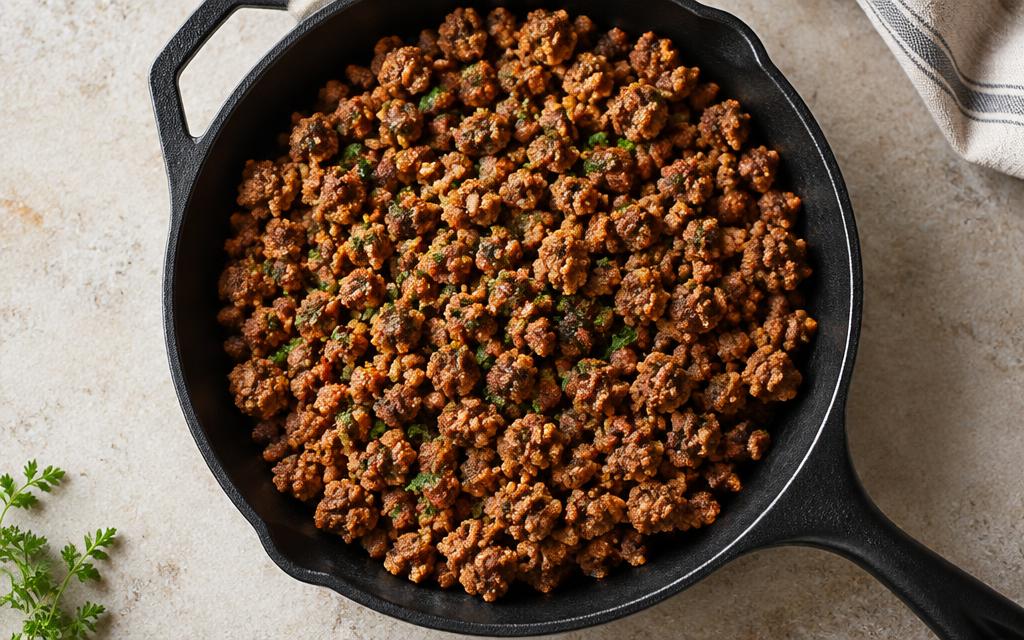
Ground meat formats
Helps fat and water stay distributed across hydrated particles, working with the binder system already in the recipe.
Ground meat & mince application guide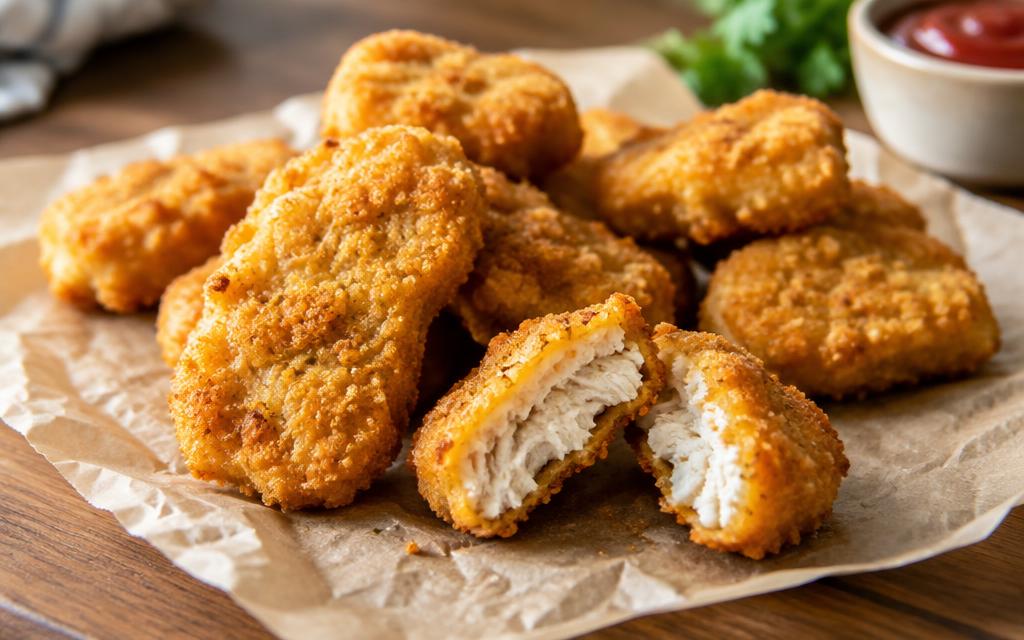
Nuggets & formed products
Supports even fat distribution in the formed mix and the coating system.
Nuggets & formed products application guideHow it goes in
The table below shows the format, addition stage and target effect. Exact formulation guidance is provided with your trial.
| Application | Format | Addition stage | Target effect |
|---|---|---|---|
| Dry protein & TVP premixes | Powder | Dry-blended with pea, wheat or soy protein before hydration | Faster, even hydration; no sticky dosing |
| Binder systems | Powder | Pre-blended with methylcellulose and starches | One-bag batching, even dosing |
| Burgers & patties | Powder or liquid | Powder in the dry mix, or liquid into the fat phase | Even fat and water distribution |
| Sausages & emulsions | Liquid | With oil during bowl chopping | Emulsion stability through chopping |
| Nuggets & formed | Powder or liquid | Powder in the batter mix, or liquid in the marinade | Even fat distribution before coating |
Send your current recipe and we will mark up exactly where the lecithin goes and at what rate.
The same job, without the declaration
Soy lecithin is the default because it is cheap and available. Sunflower lecithin is chosen when the label, the sourcing or the flavour profile needs to change.
No allergen declaration
Sunflower is not one of the major declared allergens, so the pack does not need a soy warning — and you are not managing cross-contact paperwork for a soy stream.
Non-GMO without a programme
Sunflower is non-GMO by nature, so you are not relying on identity preservation to make a claim you have to defend.
Neutral colour and flavour
Light enough not to shift the appearance of a pale product, and no beany note competing with delicate seasoning.
Powder for dry premixes, liquid for the fat phase
De-oiled powder fits dry protein premixes, TVP and binder systems. Liquid fits lines that dose lecithin with the oil.
Best for
- Dry protein premixes
- TVP and textured protein systems
- Binder systems with starches and fibres
Handling
Weigh and dry-blend with proteins and binders before hydration. No oil carrier to meter.
Store in the original packaging at room temperature (16-32°C / 61-90°F), away from direct sunlight, moisture, and air.
Watch out
Keep sealed and dry between batches; hydration order affects results, so confirm it on your own equipment.
Powder grade produced at a GMP+ and FSSC 22000 certified facility.
Plant-based meat questions
Test it in your own formulation
Send the application and the problem you are solving. Pricing comes back the same business day, with a sample and the specification alongside it.